Marbles
A 4kB demo implementing smoothed-particle hydrodynamics and real-time physically based rendering. Ranked 7th at Revision 2026.
Hello there, I'm master's student in electrical and computer engineering at the University of British Columbia, Vancouver. I'm interested in how computers can intereact with the real world to advance scientific research. My current interests focus broadly around machine learning, hardware/software optimization, robotics and physics applications.
On my free time, I love to experiment with the limits of computers and exploiting all their capabilities, especially with shaders where mathematics and computing are combined to generate procedural art.
In progress
The University of British Columbia
2022-2025
École Normale Supérieure de Rennes
2020-2022
Lycée Carnot - Dijon
Embedded Safe Reactive Navigation for Multirotors Systems using Control Barrier Functions
ICUAS 2025
A selection of some of my most notable projects with online content.
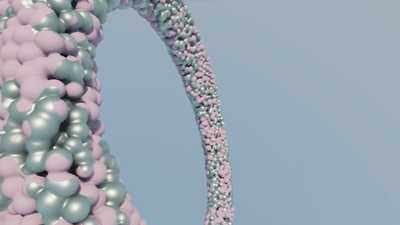
A 4kB demo implementing smoothed-particle hydrodynamics and real-time physically based rendering. Ranked 7th at Revision 2026.
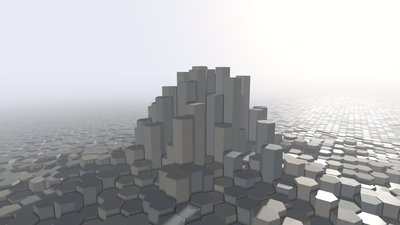
A 4kB demo implementing raymarching in a hexagonal tiling. Ranked 9th at Revision 2024.
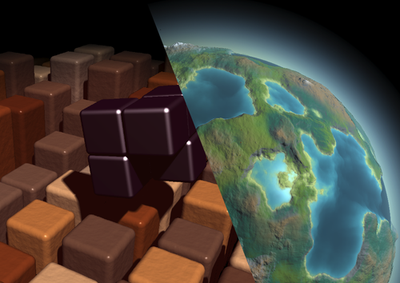
Implementation of several procedural rendering techniques such as raymarching, pathtracing, noise and physically based rendering, using only GLSL shaders.
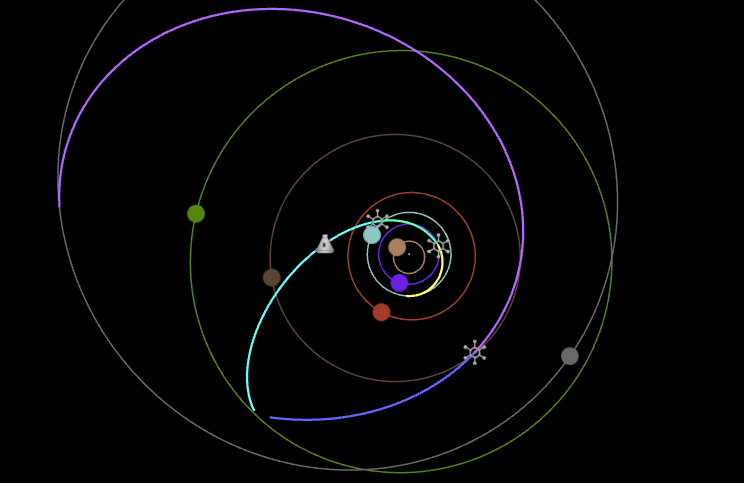
A tool to compute optimal interplanetary trajectories with multiple gravity assists for the video game Kerbal Space Program.
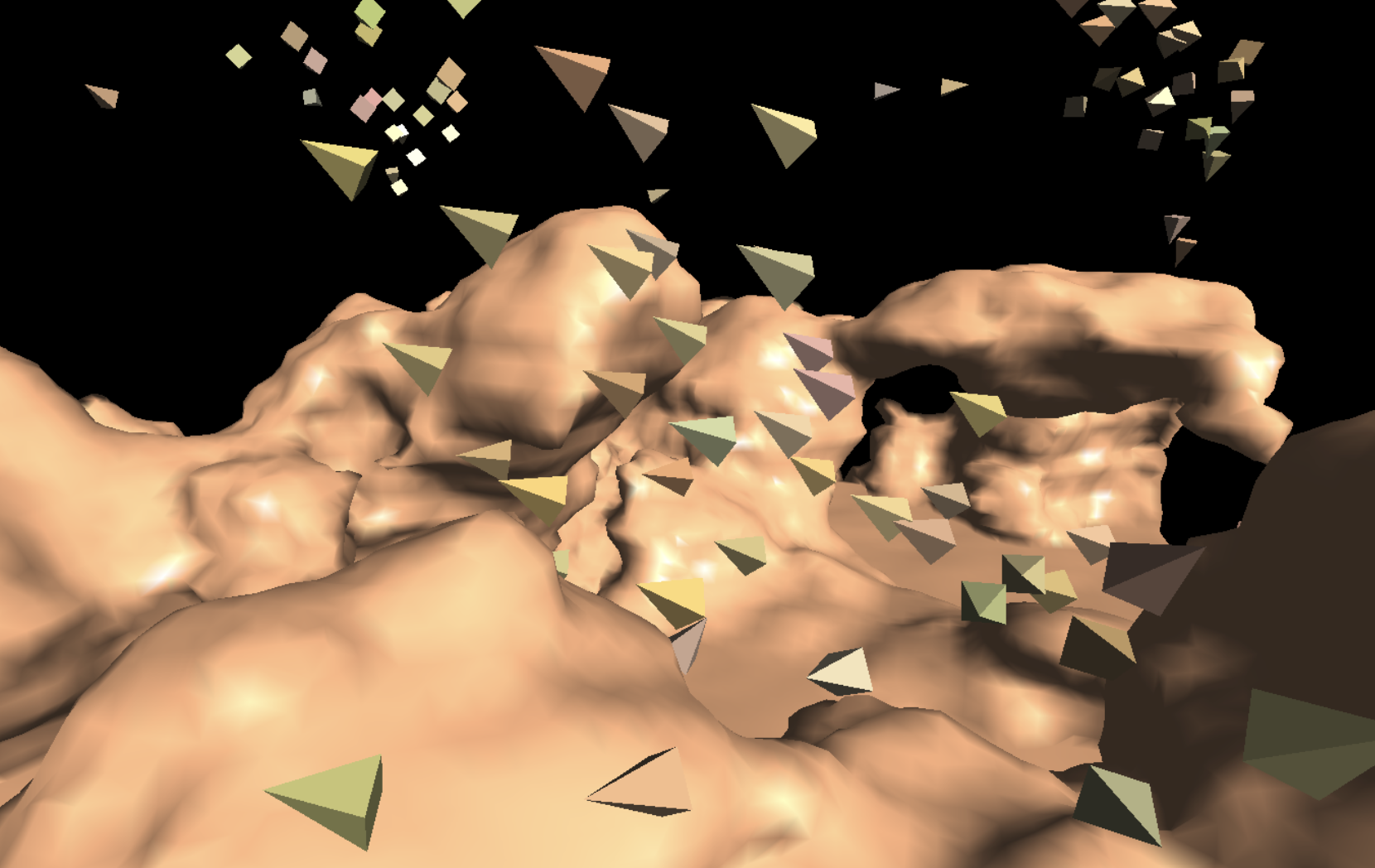
Procedural terrain generation via the marching cubes algorithm accelerated on the GPU with OpenGL compute shaders. Boids fly around in the generated terrain, simulating flocking behaviour.
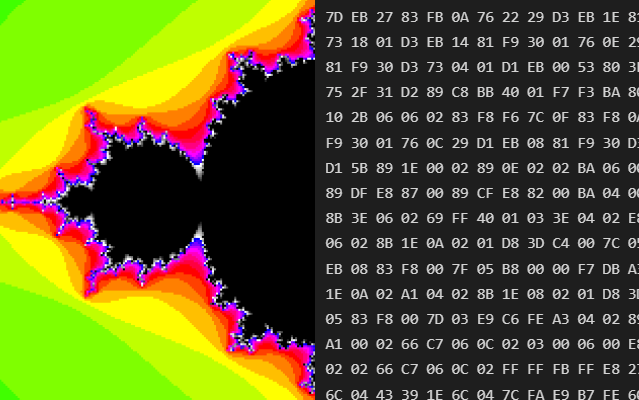
Implementation of a Mandelbrot set renderer and a two-player PONG in x86 assembly in less than 512 bytes, executable in a bootsector.
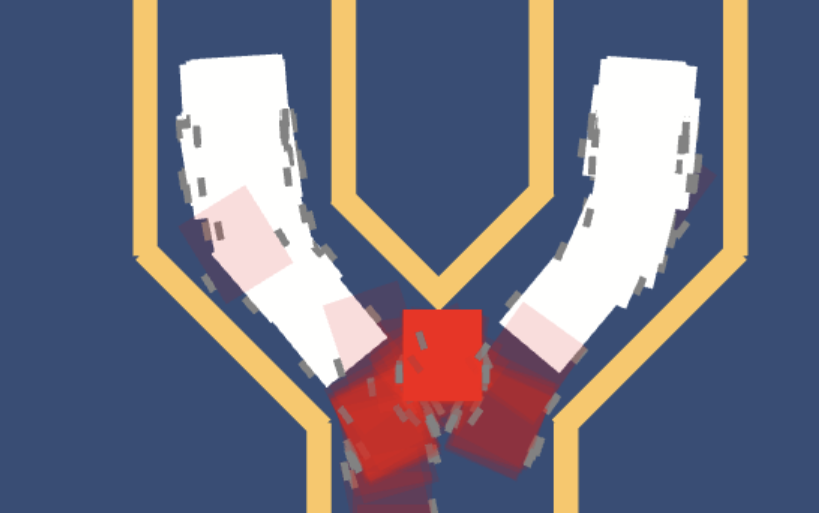
Training a neural network to drive robots in a simulated environment via a genetic algorithm, and testing the trained network in a real robot.